Renting vs. Buying a Home: An Accountant's Perspective
8/21/20246 min leer
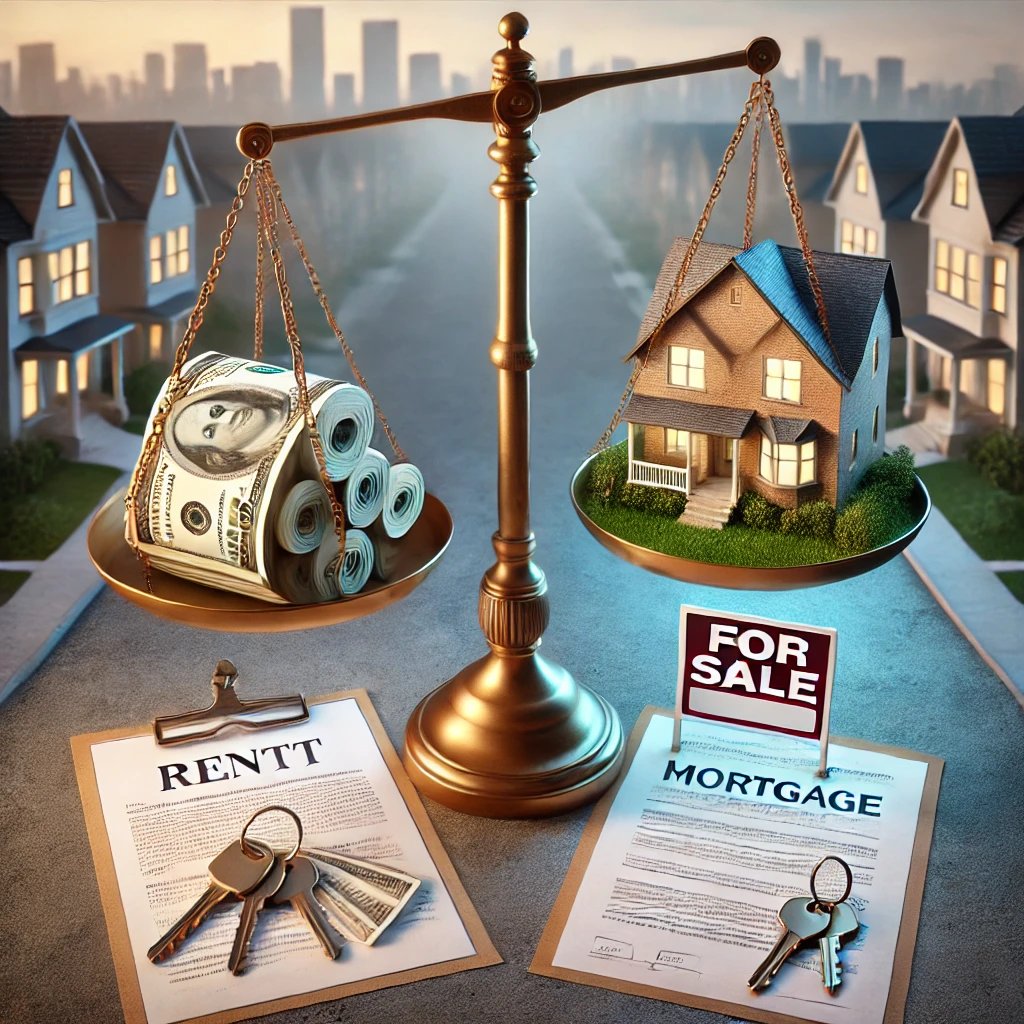
As an accountant and a renter myself, I've often found myself advising clients on the financial implications of renting versus buying a home. The decision isn't just about dollars and cents—it's about aligning your financial choices with your life goals. In this blog, I'll share my insights into the pros and cons of renting vs. buying a house, using my professional expertise to help you make an informed decision. By the end, you’ll have a better understanding of whether homeownership or renting fits your financial situation and lifestyle best.
1. Understanding the Financial Foundation: Homeownership vs. Renting
When we talk about homeownership vs renting, we're looking at two very different financial commitments. Homeownership means you're investing in an asset that can appreciate over time, while renting offers flexibility and lower upfront costs, which can be crucial depending on your financial goals.
In the past, I’ve seen firsthand how both options have their benefits and drawbacks, depending on the individual’s financial situation and long-term plans. Let's break down the financial advantages of buying a home and the pros and cons of renting from a professional perspective.
2. The Financial Benefits of Homeownership
Owning a home can be a powerful financial move. Here’s why some of my clients choose to buy rather than rent:
Building Equity Over Time
One of the most compelling financial advantages of buying a home is the ability to build equity. Equity is essentially the portion of the property you own outright, and it increases as you pay off your mortgage. Over time, this can become a significant asset, particularly in a growing market.
Tax Benefits for Homeowners
There are notable tax benefits associated with homeownership. As an accountant, I often remind clients that mortgage interest and property taxes are typically deductible on your federal income taxes, which can lead to substantial savings. These deductions can make owning a home more financially attractive than renting in the long run.
Long-term Financial Stability
Buying a home provides long-term financial stability. You're protected from rent increases and have the security of knowing that your housing costs are relatively predictable, especially if you have a fixed-rate mortgage.
Appreciation Potential
Real estate tends to appreciate over time. If you buy in the right area, your home’s value could increase, providing you with a solid return on your investment when you decide to sell.
3. The Financial Drawbacks of Homeownership
However, it's not all upside. Owning a home comes with its own set of financial drawbacks:
High Initial Costs
The initial cost of homeownership is significant. You’ll need a down payment, usually around 20% of the purchase price, along with closing costs and other fees. This can be a major financial hurdle for many.
Ongoing Maintenance Costs
As a homeowner, you’re on the hook for all maintenance and repairs. Over the years, I’ve seen how these costs can add up, from routine maintenance to unexpected repairs. It’s important to budget for these expenses.
Market Risks
While property values generally rise over time, there's always a risk of depreciation. Economic downturns or changes in the local market can lead to a drop in your home’s value, which could affect your financial situation.
4. The Financial Benefits of Renting
Now, let's look at the benefits of renting from a financial perspective:
Lower Upfront Costs
Renting typically requires less money upfront. You'll need a security deposit and the first month's rent, but that's much lower than the down payment and closing costs required to buy a home.
Financial Flexibility
Renting offers greater financial flexibility. If your job requires you to move, or if you’re unsure about your long-term plans, renting allows you to relocate easily without the financial burden of selling a home.
No Maintenance Costs
As a renter, you're not responsible for maintenance and repairs. If something breaks, it’s the landlord’s responsibility to fix it. This can save you a significant amount of money and stress.
Protection from Market Fluctuations
Renting shields you from real estate market risks. If property values decline, it doesn’t affect your financial situation, providing you with stability in uncertain economic times.
5. The Drawbacks of Renting
Renting isn’t without its downsides, particularly when viewed through a financial lens:
No Equity Building
When you rent, your payments go to the landlord, and you don’t build any equity. Over time, this can feel like you're not investing in your financial future.
Potential for Rent Increases
Rent is subject to increases, often without much notice. This can make budgeting challenging and can lead to financial strain if rents rise faster than your income.
Limited Control Over Living Space
As a renter, you have limited control over your living space. Want to remodel or make significant changes? You’ll need your landlord’s permission, which can be restrictive.
Instability
Renting can be less stable than owning a home. Landlords can decide to sell the property or not renew your lease, forcing you to move unexpectedly.
6. The Cost Comparison: Renting vs. Buying
From a purely financial perspective, the cost of renting vs buying can vary widely depending on your location, financial situation, and market conditions.
Renting: Short-Term Financial Ease
In the short term, renting is often more affordable. Without the need for a large down payment and with generally lower monthly costs, renting can be a smart choice for those looking to save money or who aren’t ready to commit to a mortgage.
Buying: Long-Term Financial Gain
While buying a home requires a significant initial investment, it can pay off in the long run. If you’re in a position to invest in a property and plan to stay there for several years, the long-term financial gain from appreciation and equity building can be substantial.
7. Renting vs. Owning: Making the Accountant's Choice
As an accountant and a renter, I often weigh the renting vs owning decision not just for myself, but for my clients as well. Here’s what I consider when making this choice:
How stable is your income? A stable, predictable income makes buying a home more feasible. If your income fluctuates or you’re in a transitional period, renting might be the safer option.
What are your long-term plans? If you plan to stay in the same area for many years, buying might make more sense. If you’re unsure or expect to move in the near future, renting offers more flexibility.
How comfortable are you with financial risk? Homeownership comes with risks, including the potential for depreciation and the responsibility for costly repairs. If you prefer financial predictability, renting may be more appealing.
Can you afford the upfront costs? If you have the savings for a down payment and closing costs, buying could be a good investment. If not, renting allows you to live comfortably without the need for a large upfront investment.
8. My Professional and Personal Opinion
As an accountant with 15 years of experience, I understand the financial benefits of homeownership and why it appeals to so many people. However, as a renter, I also value the flexibility, lower upfront costs, and freedom from maintenance responsibilities that renting provides.
For me, renting has been the right choice, both personally and professionally. It allows me to allocate my savings toward other investments, maintain financial flexibility, and live without the stress of home maintenance. However, I recognize that homeownership could be a better fit for those looking for long-term stability, the opportunity to build equity, and the freedom to customize their living space.
9. Conclusion: Renting vs. Buying – A Personalized Financial Decision
The renting vs buying decision is deeply personal and should be made with your unique financial situation and long-term goals in mind. Both options have their merits, and the best choice will vary depending on your lifestyle, income stability, and personal preferences.
If you’re seeking long-term financial stability, the opportunity to build equity, and the ability to make a home truly your own, buying might be the right choice. But if you value flexibility, lower upfront costs, and financial predictability, renting could be a better fit.
To help make an informed decision, consider using a rent or buy calculator and consult with a financial professional who can tailor advice to your specific situation.
By considering the information and resources provided, you'll be better equipped to make an informed decision that aligns with your personal and financial goals.
10. Beneficial Sources
For further reading and to explore tools that can assist in your decision-making process, consider these sources:
Zillow: Offers a detailed guide to help you decide whether to rent or buy, along with calculators and market trends.
NerdWallet: Provides a rent vs. buy calculator that takes into account your financial situation and local market conditions.
Investopedia: Discusses the financial implications of renting vs. buying, including tax considerations and investment potential.
The New York Times Rent vs. Buy Calculator: A comprehensive calculator that helps you compare the financial costs of renting and buying based on various factors.